Ancient Chinese physicians observed that nature operates in perfect balance, with each element supporting and controlling others in an endless cycle. This profound insight became the foundation of Traditional Chinese Medicine, offering a sophisticated framework for understanding health and disease.
Wood, Fire, Earth, Metal, Water – Your Internal Ecosystem
The Five Element theory recognizes that your body mirrors nature’s patterns. Wood represents growth and flexibility (liver and gallbladder), Fire embodies warmth and circulation (heart and small intestine), Earth provides nourishment and stability (spleen and stomach), Metal governs boundaries and elimination (lungs and large intestine), and Water stores essence and governs reproduction (kidneys and bladder).
The Creative and Destructive Cycles
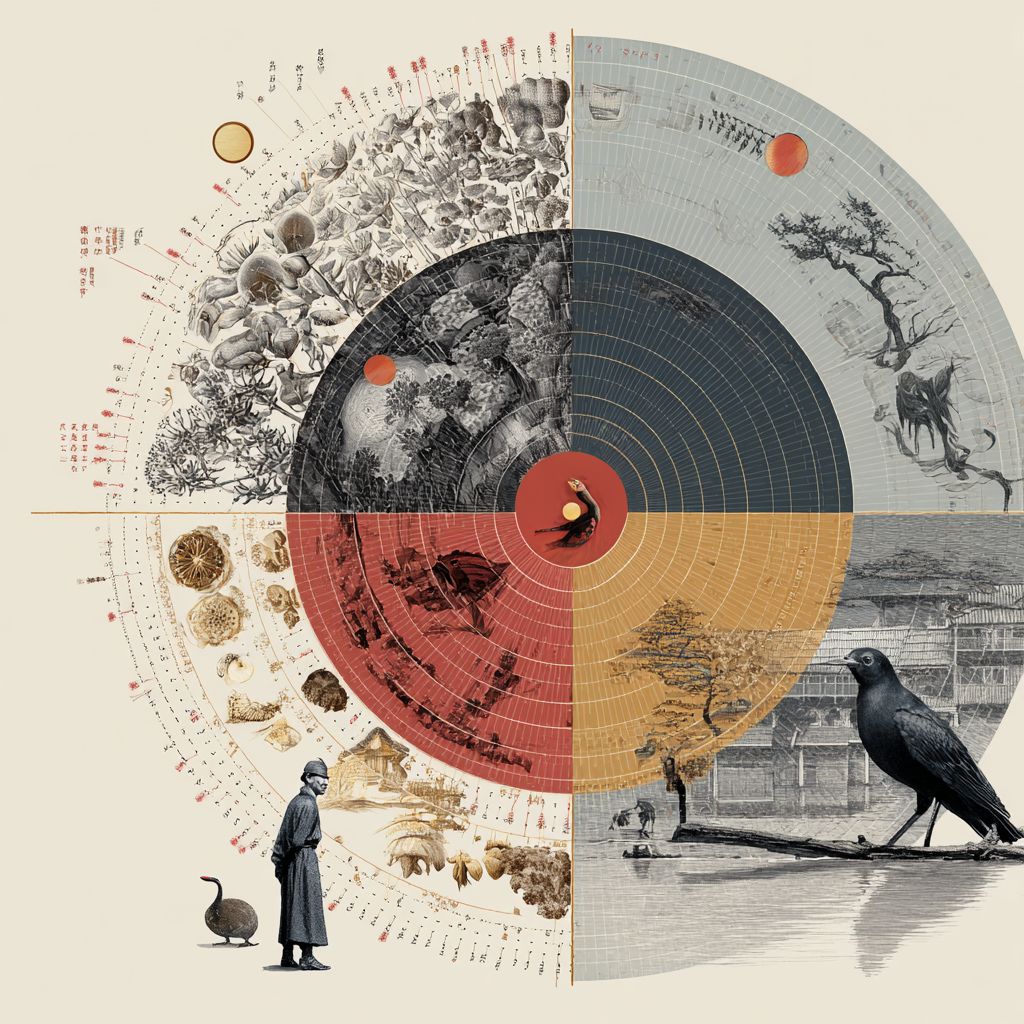
Elements interact in predictable patterns. The creative cycle shows how each element nourishes the next: Water feeds Wood (trees), Wood fuels Fire, Fire creates Earth (ash), Earth produces Metal (minerals), and Metal collects Water (condensation).
The destructive cycle maintains balance by preventing any element from becoming excessive. Understanding these relationships helps practitioners identify imbalances before they manifest as illness.
Constitutional Types and Personality
Your dominant element influences both physical health and personality traits. Wood types tend to be driven and ambitious but may struggle with anger when out of balance. Fire personalities are naturally warm and social, but can become scattered or anxious. Earth types are nurturing and stable, but may worry excessively.
Seasonal Connections
Each element corresponds to a season, explaining why certain health issues arise predictably. Spring (Wood) brings allergies and emotional volatility, Summer (Fire) may trigger heart palpitations or insomnia, Late Summer (Earth) affects digestion, Autumn (Metal) impacts respiratory health, and Winter (Water) challenges kidney function and energy levels.