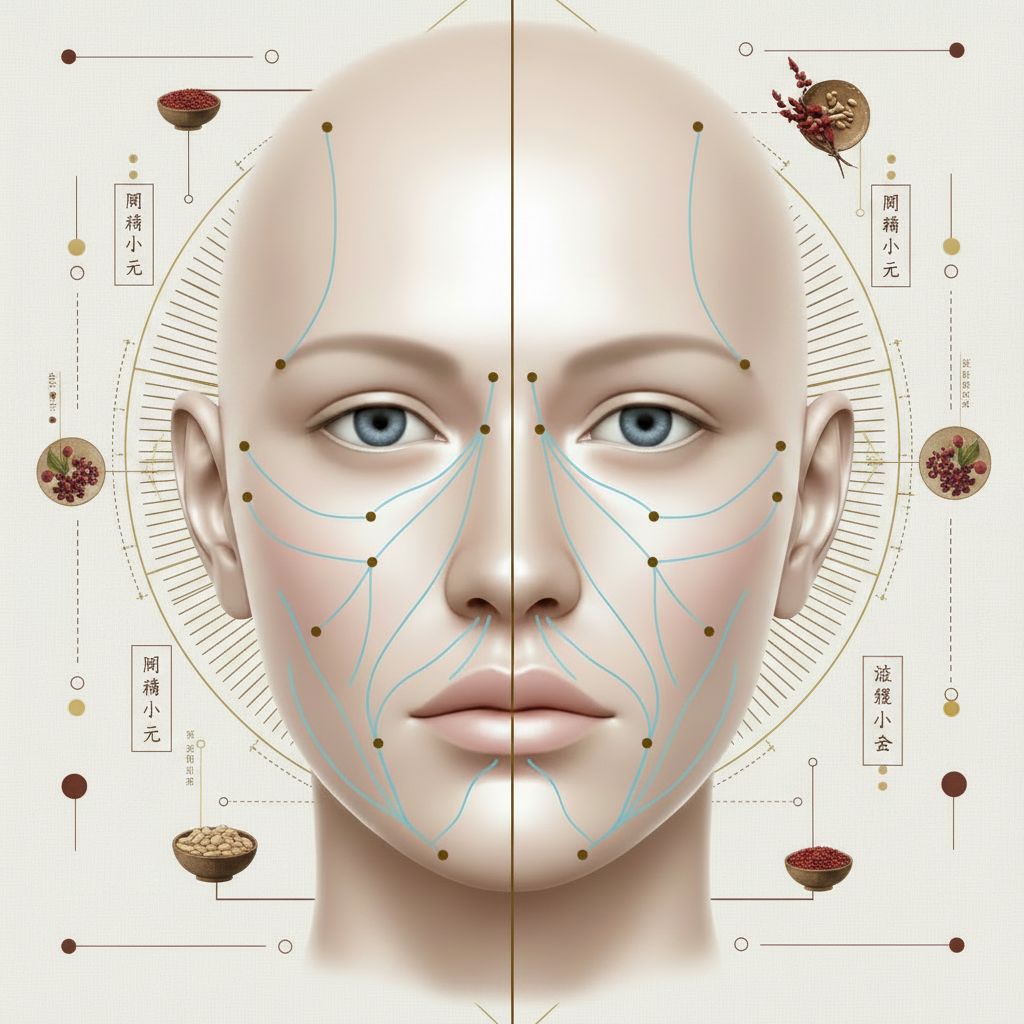

When Harvard Medical School began studying acupuncture seriously, skeptics raised eyebrows. Today, over 3,000 published studies have transformed acupuncture from an alternative curiosity to evidence-based medicine, earning respect in the most prestigious medical institutions worldwide.
Groundbreaking Brain Imaging Studies
Functional MRI scans reveal fascinating insights about acupuncture’s effects on the brain. When needles stimulate specific points, corresponding brain regions activate in predictable patterns. These studies demonstrate that acupuncture creates measurable, reproducible neurological changes.
Researchers at Massachusetts General Hospital found that acupuncture modulates the limbic system – your brain’s emotional control center – explaining why patients experience both physical relief and emotional balance.
The Endorphin Connection
Multiple studies confirm that acupuncture triggers endorphin release. These natural painkillers are more potent than morphine and create the pleasant, relaxed feeling patients describe during treatment. Brain imaging shows increased endorphin activity lasting hours after needle removal.
Inflammation and Immune Response
Recent research reveals acupuncture’s powerful anti-inflammatory effects. A landmark study published in Nature Medicine showed that acupuncture activates the vagus nerve, reducing inflammatory markers throughout the body. This discovery explains acupuncture’s effectiveness for autoimmune conditions and chronic pain.
Clinical Trial Successes
Large-scale clinical trials consistently demonstrate acupuncture’s effectiveness. The German ARC trials – involving over 500,000 patients – showed significant improvement in chronic pain conditions. These weren’t small studies – they represented the largest acupuncture research project in history.
Neuroplasticity and Long-term Changes
Emerging research suggests acupuncture promotes neuroplasticity – your brain’s ability to form new neural connections. This explains why benefits often continue long after treatment ends. Your nervous system literally learns healthier response patterns.
Cardiovascular Benefits
Studies show acupuncture can lower blood pressure, improve heart rate variability, and reduce cardiovascular disease risk. The heart-brain connection responds remarkably well to acupuncture’s regulatory effects.
Quality Research Standards
Modern acupuncture research employs rigorous methodologies, including randomized controlled trials and systematic reviews. The evidence base continues growing, with new studies published monthly in peer-reviewed journals.